
If I had to pick a FAQ I hear in this business almost daily it’s “do you carry rice paper?” My initial reaction is a back and forth inner dialogue of whether or not to enthusiastically educate the caller (customer), or to sarcastically quip the title of my sophomore blog. Feelings aside, it is easy to just say “yes”! but with so many types of papers out there that mimic what the customer is really looking for, I ask more questions to the question to discern what the customer really wants.

If we had time to discuss with a couple of cups of chai at hand, there is the philosophical one, “what is rice paper to you?” since we don’t have that luxury and fear the long silence on the other end of the phone, I just proceed to the next one…..”what are you using it for?”. This return question is, of course, a set-up to spread the word about washi (Japanese paper) and other Eastern papers. The specialty papers that have been the “bread and butter” of Paper Connection; the very papers I have dedicated my whole career to promote. Since I split my time between Japan and US, I don’t always have time to field every “rice paper” query,, so I leave it to the seasoned and faithful paperwomen back at the office in Providence, RI.
When a customer calls asking for “rice paper”, the papewomen know pull out what’s in the caller’s mind, by considering three categories of Eastern papers: 1. plain white paper with no visible fibers often for printmaking 2. plain, white, thin sumi paper or brush painting paper, (see our calligraphy paper blog), and 3. transparent, white paper with visible long “unbeaten” fibers in it (unryu-style) paper (see below). Unryu is a Japanese word best translated as “cloud dragon”, and you can see why as you gaze upon randomly placed, sinewy pieces of fibers…that seem to dance on the paper. But what is it? what are they? Thread? Tree bark? Rice?
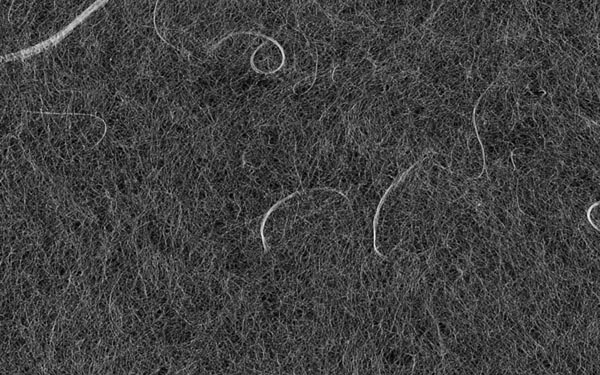
To resolve this issue once and for all, here is a brief lesson on the components of selling or buying fine art paper, washi (Japanese paper) or hanji (Korean paper)_or xuanzhi (traditional Chinese calligraphy paper): The paper that most people think of when they refer to “rice paper” is actually made from paper mulberry fiber. It is the ideal source from from the inner bark (near the core) of the branches of this bast plant. This fiber is also referred to as kōzo (Japanese word for paper mulberry) even in the US art supply world. This shrub is lovingly grown, steamed, dried, cleaned, cooked, beaten, and formed into a beautiful sheet of paper for you to enjoy.
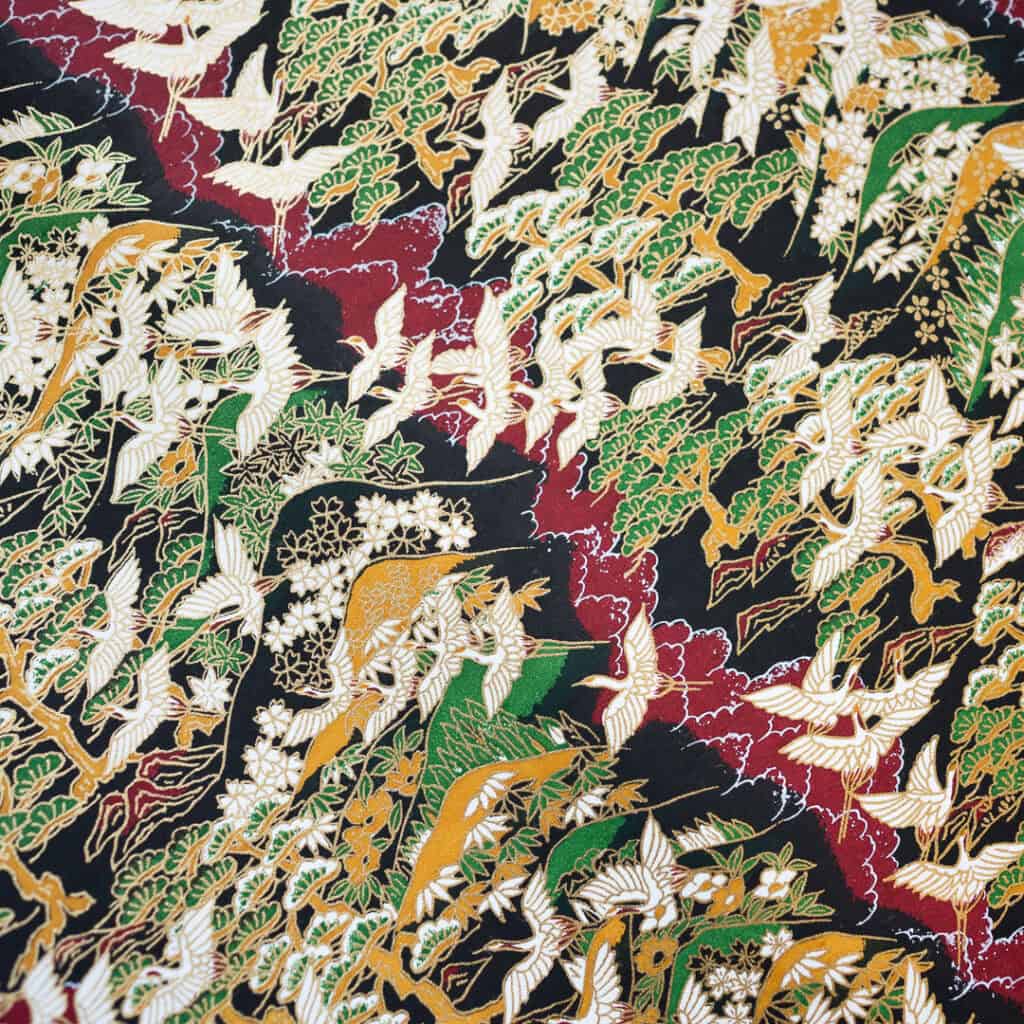
Naturally, there are thousands of variations of a finished piece of kōzo paper. And naturally, we stock no less than hundreds of varieties. However, it truly can blow you away when you consider the effort put into what was a humble shrub to an intricately designed screen printed paper, such as seen below. No trees are harmed; nor have they ever been.
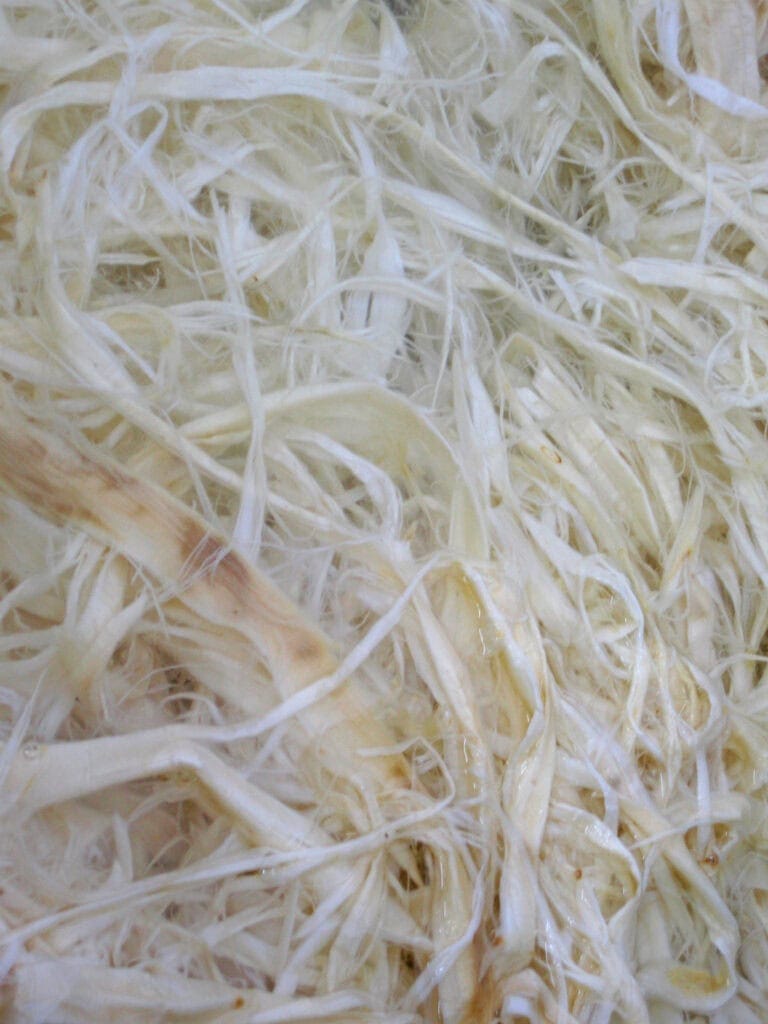
Kōzo, seen freshly cleaned and boiled below on right, is one of three main papermaking bast-plant fibers. The other two are gampi, known for producing silky paper, and lastly, mitsumata. Both of the last 2 are included in the daphne family of plants. I also have to mention the important ingredient used to ensure the incredibly strong and often thin sheets: tororoaoi. That is your new Scrabble word of the day!
Okay, perhaps I am losing the focus of all of you non-plant folks, but for a paper lover, it is vital to know these key elements. As we see everyone going green, and rightly so, it is comforting to know that these traditional Eastern papers, like washi, have been a green, tree-free paper for centuries! The papermakers we represent at Paper Connection, and cheer on, have been among this treasured group, who have been guardians of their natural surroundings and creating beauty at the same time.
There is such a thing as “rice paper”, used to make spring rolls, wontons, etc. OK, I’m getting hungry. Be aware…..at Paper Connection, we’re never at loss for food references!
PLEASE NOTE: This is an updated blog post about the term “rice paper” we originally published November, 2008 by Paperwoman.
Please check out our latest blog post about this term, as well as a related post about calligraphy paper.


2 comments
Jakki
Thank you for this plain spoken survey of ‘rice paper.’ I am trying to learn as much as I can about Japanese papers in particular and every nugget of information helps!
Paper Woman
We wrote this blog way back in the day, before WordPress existed! We truly appreciate that you read our re-posting of this older blog.